What is Free Will: 5 Fascinating Insights You Need to Know
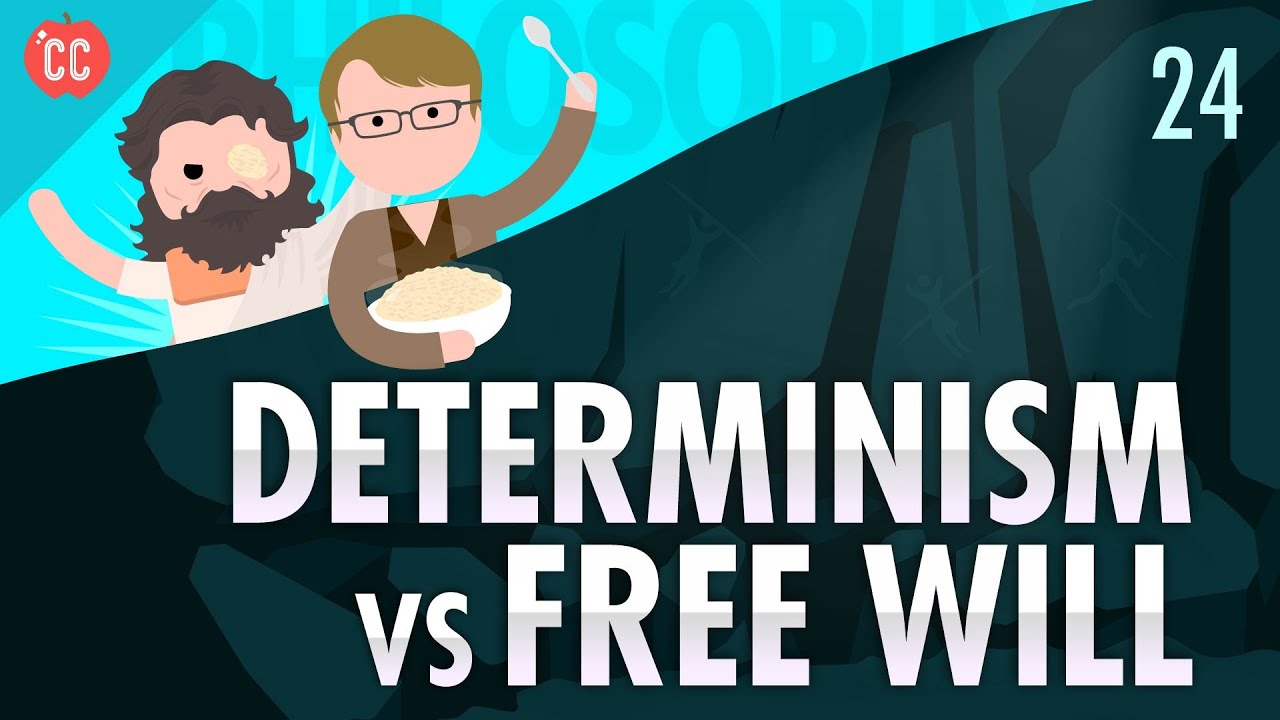
What is Free Will
Have you ever pondered the question of whether our choices are truly ours to make? 🤔 This inquiry delves into the concept of free will, a fundamental philosophical topic that examines the nature of human autonomy and decision-making. In essence, free will refers to the ability of individuals to make choices free from external constraints or predetermined influences. Let’s explore the intricacies of this concept and its implications.
The Foundations of Free Will
To understand free will, we must first acknowledge its philosophical roots. The term has been a focal point in various disciplines, including theology, psychology, and ethics. At its core, it raises the inquiry: do we possess the agency to govern our actions, or are they predetermined by various external forces?
The Wikipedia entry on free will provides a comprehensive overview of its historical background, touching upon key philosophers such as Immanuel Kant and Friedrich Nietzsche, who offered divergent views on human agency.
Key Theories Surrounding Free Will
Various theories attempt to make sense of free will, and each presents a unique perspective:


- Determinism: This view holds that all events, including human actions, are determined by preceding events in accordance with natural laws. Therefore, free will is an illusion.
- Libertarianism: Contrary to determinism, libertarians argue that individuals possess genuine free will, with the capacity to make choices independent of prior causes.
- Compatibilism: This theory seeks a middle ground, suggesting that free will can coexist with determinism. Proponents argue that as long as our actions align with our desires, we can still be considered free in our choices.
How Free Will Influences Human Behavior
The implications of free will extend beyond philosophy; they significantly impact human behavior, morality, and accountability. For instance, if we accept that individuals exercise free will, they can be held responsible for their actions, leading to moral accountability. This relates to the broader context of ethics, where free will is vital in discussions about punishment and forgiveness.
Free Will in Psychology
Psychological studies have examined how perceptions of free will affect human behavior. Research indicates that individuals who believe in their own agency are more likely to exhibit positive behaviors, such as persistence and responsibility. One influential study revealed that fostering a sense of autonomy can enhance motivation and engagement.
For a deeper exploration, visit Psychological Science, which delves into the connection between perceived free will and life satisfaction.
Complementary Tools to Enhance the Understanding of Free Will
Understanding free will can be significantly enhanced by leveraging various complementary tools. Here are some ideas to consider:
- Philosophical Podcasts: Engage with podcasts that dissect modern free will debates and theories.
- Journaling Apps: Using apps like Jour can help you reflect on daily choices and the concept of autonomy.
- Online Courses: Platforms like Coursera offer courses on philosophy and ethics that touch on free will.
- Philosopher Blogs: Follow blogs by contemporary philosophers who delve into discussions about human agency.
- Books on Free Will: Read classic and modern works discussing free will to gain insights from various perspectives.
- Discussion Forums: Participate in forums such as Reddit Philosophy to share thoughts and gain diverse viewpoints.
- Mindfulness Apps: Programs like Headspace encourage self-reflection and awareness, aligning with the exploration of free will.
- Behavior Analysis Software: Tools that track behaviors can illustrate patterns in decision-making and influence perceptions of free will.
- Philosophical Classics: Engaging with works such as Kant’s “Groundwork for the Metaphysics of Morals” helps contextualize free will in ethical discussions.
- Free Will Workshops: Attend workshops or seminars focusing on decision-making practices relating to free will.
Using Journaling Apps to Reflect on Free Will
By utilizing journaling apps like Jour, you can enhance your understanding of free will in your daily life. Here are some benefits:
- Encourages Self-Reflection: Journaling helps you process daily decisions, allowing you to evaluate the freedom of your choices.
- Identifies Patterns: By documenting your decisions, you can uncover patterns that inform your sense of agency.
- Fosters Mindfulness: Engaging in reflective writing promotes an awareness of your thoughts and feelings, aligning with the idea of exercising free will.
- Enhances Decision-Making: Clarity gained from journaling can lead to more informed choices, reinforcing your sense of control over your actions.
The Intersection of Technology and Free Will
In today’s digital age, technology plays a crucial role in shaping our decisions. From algorithms that suggest our next online purchase to social media feeds tailored to our preferences, we must consider how these influences interact with our concept of free will. While technology can enhance decision-making, it is essential to maintain awareness of its potential to manipulate our choices.
For a better understanding of algorithmic influence on human behavior, check out the insightful article on ScienceDirect.
Philosophical and Ethical Considerations
The discussions surrounding free will also extend to significant ethical dilemmas. For example, if free will is merely an illusion, how do we confront issues like crime and punishment? The legal system often relies on the assumption that individuals possess the autonomy to make ethical choices.
Engaging with texts such as “Free Will and the Problem of Evil” can stimulate thought regarding how free will intersects with philosophical concerns about morality. Consider diving into materials that marry ethics with free will, such as the works of Daniel Dennett, who presents insightful discussions on the subject.
Free Will and Behavioral Economics
In behavioral economics, the concept of decision-making plays a pivotal role. Analyzing how individuals will act under certain conditions reveals much about the factors influencing perceived free will. Notable scholars, like Richard Thaler, emphasize that humans often act irrationally, questioning the idea of pure autonomy in decision-making.
Explore more about this dynamic field through resources like the Behavioral Economics Guide to grasp how it connects with free will discourse.
Enhancing Autonomy in Practice
Increasing your sense of free will can be achieved through practical strategies. Here are a few tips to enhance autonomy:
- Set Personal Goals: Having clear objectives fosters a sense of control over your life choices.
- Practice Mindfulness: Engage in activities that promote awareness of your thoughts and decisions, such as meditation.
- Limit External Influences: Be critical of the content you consume to reduce the impact of external decisions on your freedom.
- Seek Diverse Perspectives: Discussing ideas with others can broaden your understanding and encourage independent thought.
The Role of Free Will in Personal Growth
Free will is integral to personal growth and self-improvement. Making conscious choices allows individuals to steer their lives in the desired direction. Embracing this autonomy empowers you to shape your future actively, be it through pursuing education, improving relationships, or achieving health goals.
Embracing tools and resources aimed at personal development enhances your ability to exercise free will. Use online platforms to find courses or seminars that align with your growth objectives. Websites like Udemy offer a plethora of options for personal and professional development.
Conclusion
The nature of free will is a complex yet fascinating topic that intersects with various disciplines, influencing how we perceive our autonomy and decision-making. Understanding its implications not only shapes philosophical discussions but also has real-world applications in psychology, ethics, and personal growth. By leveraging complementary tools, engaging in self-reflection, and maintaining awareness of external influences, we can navigate the complexities of free will effectively. Keep exploring this captivating subject, as it holds profound significance for your understanding of human behavior and agency.
Philosophical Perspectives on Free Will
What is Free Will? Understanding the Concept and Its Implications
Free will is a concept that has intrigued philosophical thinkers, scientists, and psychologists for centuries. It encompasses the ability of individuals to make choices unconstrained by external factors. Is our decision-making truly independent, or are our choices influenced by determinism? 🤔 In this exploration, we will delve into the various interpretations of free will, its implications on morality, psychology, and daily living, and how you can enhance your understanding and application of free will through complementary tools and perspectives.
Defining Free Will
To grasp the essence of free will, we first need to define it clearly. Free will refers to the capacity to choose between different courses of action unimpeded by fate or external control. It implies a sense of autonomy, where individuals feel empowered to shape their own destinies. However, the debate around free will raises questions: Are our choices genuinely ours, or are they influenced by pre-existing conditions?
Types of Free Will
There are several interpretations of free will. Each perspective offers a unique lens through which to analyze our choices:
- Libertarian Free Will: This viewpoint emphasizes absolute freedom. Libertarians argue that individuals possess complete control over their choices, unencumbered by past influences.
- Determinism: In contrast, determinists believe that every action and decision is predestined by prior states of affairs. According to this perspective, free will is an illusion.
- Compatibilism: Compatibilists suggest that free will and determinism are not mutually exclusive. They argue that individuals can be free in their choices, even if those choices are influenced by past events.
The Philosophical Debate: Free Will vs. Determinism
The conflict between free will and determinism has fueled philosophical discourse for centuries. Proponents of determinism argue that if every action is the result of preceding events, then individuals lack true free will. This raises ethical concerns: if our actions are predestined, can we truly be held accountable for them?
On the other hand, advocates for free will insist that personal responsibility is foundational to moral judgment and societal structure. They contend that recognizing individuals’ capacity to choose fosters accountability and encourages people to make better decisions.
Examples of Free Will in Action
To put the concept of free will into perspective, consider the following scenarios:
- Choosing to pursue a specific career path despite familial expectations.
- Deciding whether to engage in community service to help others.
- Opting for healthier lifestyle choices, such as meal planning and exercise, versus succumbing to unhealthy habits.
These examples illustrate how exercising free will can lead to both personal growth and societal contribution. By making conscious choices, individuals can create positive changes not only in their own lives but also in the lives of those around them.
The Psychological Aspects of Free Will
Understanding the psychological aspects of free will is vital in examining human behavior. Research indicates that the perception of free will is linked to various psychological benefits:
- Increased Motivation: When individuals believe they have control over their actions, they tend to be more motivated in pursuing their goals.
- Enhanced Well-being: A sense of autonomy can result in higher levels of happiness and life satisfaction.
- Better Decision-making: Recognizing one’s agency encourages thoughtful decision-making rather than impulsive actions.
The psychological framework shaping our perception of free will emphasizes the importance of self-efficacy – the belief in one’s ability to influence events and outcomes in life. Thus, understanding free will is not just a philosophical endeavor; it has real-world implications for mental health and personal development.
Applications of Free Will in Daily Life
Incorporating the understanding of free will into your daily life can lead to profound changes. Here are several practical applications:
- Mindfulness Practices: Engaging in mindfulness meditation can enhance your awareness of choices, helping to clarify what you truly desire and improving your decision-making process.
- Goal Setting: Setting personal goals based on your values aligns your actions with your sense of agency, empowering you to work toward what you genuinely wish to achieve.
- Conflict Resolution: Recognizing that both parties have the power of choice can facilitate better communication and understanding during disagreements.
- Cognitive Behavioral Strategies: Implementing techniques from cognitive behavioral therapy can help reframe your thoughts around choice and control, enhancing your perception of free will.
Complementary Tools to Enhance Your Understanding of Free Will
While understanding free will is essential, leveraging complementary tools can deepen this knowledge and foster practical applications. Here are some effective ways to integrate other tools with your exploration of free will:
- 1. Mindfulness Apps: Apps like Headspace can aid in developing mindfulness, thereby enhancing your perception of free will. Mindfulness practices encourage deeper reflection on personal choices.
- 2. Journaling Software: Utilize digital journaling platforms such as Day One. Keeping a journal can help you reflect on decisions, recognize patterns, and acknowledge the power you have over your life.
- Personal reflection aids in assessing past decisions.
- Journals can be organized by themes, reducing cognitive overload.
- Helps track progress toward goals, reinforcing a sense of agency.
- Encourages gratitude practices that heighten awareness of positive choices.
- 3. Decision-making Frameworks: Explore frameworks like the Eisenhower Matrix. Using a structured approach to decision-making allows for clearer options while enhancing your focus on important choices influencing your life.
- 4. Online Courses: Platforms like Coursera offer courses on cognitive psychology and decision-making, providing insights into how and why we make choices.
- 5. Behavioral Analysis Tools: Using tools such as the Myers-Briggs Type Indicator can enhance self-awareness regarding how your personality influences your choices.
- 6. Visualization Software: Programs like Canva can help visualize your goals and choices, making them more tangible and encouraging proactive decision-making.
- 7. Social Influence Awareness: Tools that help track social influence, like Hootsuite for social media analytics, can clarify how peer dynamics affect your decisions.
- 8. Goal Tracking Apps: Apps like Strides enhance your commitment to choices by tracking progress toward your objectives.
- Promotes accountability for your actions.
- Encourages smaller, actionable steps toward larger goals.
- Visual progress tracking reinforces motivation.
- Allows for flexible adjustments based on evolving choices and needs.
- 9. Community Platforms: Engaging in discussions on platforms like Reddit can provide alternative perspectives on free will, enhancing your understanding through shared experiences.
- 10. Podcasts and Audiobooks: Listening to philosophical podcasts or audiobooks can provide insightful dialogues and differing viewpoints on free will, broadening your understanding of the subject.
Ethical Implications of Free Will
The recognition of free will brings with it significant ethical considerations. If individuals have true autonomy in their choices, it raises the question of moral responsibility. This responsibility forms the foundation of legal systems, social expectations, and personal integrity. Ethical dilemmas emerge when considering the influence of external factors, such as socio-economic conditions or psychological issues, on an individual’s ability to choose.
Advocates of free will argue that acknowledging personal agency encourages positive social behavior. Yet, opponents caution against excessive individualism, advocating for a balanced recognition of both personal responsibility and external influences.
Cultural Variations in the Understanding of Free Will
Cultural perspectives significantly shape the understanding of free will. Different societies and religions interpret individual agency based on their unique values, beliefs, and customs:
- Western Perspectives: Often emphasize individualism and personal responsibility, asserting that people can choose their paths and outcomes.
- Eastern Perspectives: Cultures influenced by Buddhism may view free will as intertwined with concepts of impermanence and interconnectedness, suggesting that choices are shaped by karma and past actions.
- Collectivist Cultures: Societies that prioritize the group may view individual choices within a broader communal context, often framing decisions as contributions to social harmony.
Understanding these cultural variations fosters a more profound appreciation of how free will is perceived and exercised differently around the world.
Conclusion
As we explore the concept of free will, it is evident that its implications extend beyond mere philosophical debates. Understanding free will is critical for fostering personal responsibility, ethical behavior, and a better quality of life. Leveraging complementary tools and frameworks not only enriches this understanding but also empowers individuals to make informed choices, thereby enhancing their experience of agency in everyday decisions.
What is Free Will? An In-Depth Analysis 🌱
Have you ever wondered about the choices you make each day? Are they truly yours or influenced by external factors? In this article, we delve into the concept of free will, examining its significance, implications, and how it can be effectively utilized. By the end, you’ll gain a comprehensive understanding of free will and how to maximize its potential.
The Definition of Free Will
Free will refers to the capacity of an individual to choose between different possible courses of action unimpeded. It’s a foundational principle in philosophy and psychology, often raising questions about morality, responsibility, and autonomy.
The Philosophical Perspective
Philosophers have long debated whether humans possess free will. Determinists argue that all behaviors are determined by preceding events, while libertarians maintain that individuals have the ability to make choices independent of genetic and environmental influences.
Scientific Insights into Free Will
Recent scientific research sheds light on free will, suggesting a complex interaction between conscious choices and subconscious processes. Neuroscientific studies have indicated that our brain may make decisions before we consciously become aware of them, which raises intriguing questions about the nature of choice. For more in-depth insights, consider reading this Psychology Today article.
Brain Activity and Decision Making
Imaging techniques show that our brains can predict decisions seconds before we are consciously aware of them. This has led some to suggest that free will may be an illusion. However, proponents argue that even though brain activity precedes consciousness, this does not eliminate our ability to make choices.
Implications of Free Will
Free will plays a crucial role in various aspects of human existence, including ethics, law, and personal development. Understanding its implications can enhance both individual and societal functioning.
Moral Responsibility
If individuals possess free will, they can be held morally accountable for their actions. This accountability is fundamental to legal systems around the world, where the assumption is that individuals can choose to act in accordance with the law or to break it.
Personal Development
Belief in one’s own free will can foster a sense of empowerment. When individuals recognize they have the ability to make choices, it can lead to increased motivation and engagement in personal growth strategies. This aspect connects beautifully with complementary tools that enhance this journey.
Complementary Tools for Enhancing Free Will
While understanding free will is crucial, employing certain tools can enhance its application in our daily lives. Here are some effective tools to consider integrating with your understanding of free will:
- Meditation Apps – To enhance self-awareness.
- Journaling Platforms – For reflection on choices.
- Life Coaching Services – To clarify goals.
- Goal Setting Software – For action-oriented planning.
- Cognitive Behavioral Resources – For understanding thought patterns.
- Accountability Platforms – To support commitment.
- Neurofeedback Devices – To manage brain function and awareness.
- Time Management Tools – For prioritizing freedom of choice.
1. Meditation Apps
Meditation can significantly enhance free will by offering clarity and awareness. Here’s how:
- Mindfulness: Encourages present-moment awareness, making it easier to make conscious choices.
- Stress Reduction: Lowers stress, leading to clearer decision-making.
- Enhanced Focus: Improves cognitive function, enabling more informed choices.
- Emotional Regulation: Helps in managing emotions, which can affect decision-making.
2. Journaling Platforms
Using journaling to explore your thoughts can deeply impact how you utilize your free will. Consider these benefits:
- Self-Reflection: Encourages evaluation of past choices.
- Clarity of Thought: Aids in understanding motivations behind decisions.
- Goal Tracking: Helps in planning future choices based on reflections.
- Emotional Catharsis: Offers a safe outlet for emotions, supporting better decision-making.
Combining Tools for Maximum Impact
Now, you may be curious about how to leverage these tools alongside your explorations of free will. Here are some ideas:
- Use meditation apps before journaling to clear your mind and improve focus.
- Pair life coaching sessions with time management tools to refine your goals.
- Utilize cognitive behavioral resources alongside journaling to identify and reshape thought patterns influencing your choices.
- Incorporate accountability platforms to ensure you stay committed to your decisions.
Free Will in Everyday Life
Understanding how free will operates in daily situations can significantly affect relationships, careers, and personal goals. Acknowledging your capacity for choice is empowering and leads to more meaningful interactions.
Free Will in Relationships
In relationships, recognizing the free will of others fosters mutual respect. Encouraging open communication and understanding of each person’s choices leads to healthier dynamics.
Free Will and Career Choices
In the workplace, exercising free will enables individuals to pursue career paths that align with their values and interests. Decision-making can be bolstered by tools like goal-setting software to clarify long-term objectives.
Free Will and Self-Discovery
Ultimately, leveraging free will in the context of self-discovery is a journey. By utilizing tools and practices such as meditation, journaling, and accountability, you can navigate your choices more effectively.
What’s Next? Exploring Free Will Further
Feeling intrigued about free will and its possibilities? There’s so much more to discover! Engaging with community discussions, diving into philosophical texts, or even enrolling in workshops can provide further insights.
By employing appropriate tools alongside your understanding of free will, you set yourself up for greater clarity and informed decision-making. Imagine the potential of combining your understanding with dedicated practices to transform your daily life. So, the journey of understanding and enhancing your free will continues – delve deeper and keep exploring!
Implications of Free Will
What is Free Will? 🤔
Free will can be defined as the capacity to make choices that are not determined by prior causes or external factors. It’s a topic that raises fundamental questions about human behavior, responsibility, and the nature of consciousness. The concept captures our ability to exercise control over our own actions. But what does this really mean? In this article, we will delve deep into the philosophical and practical dimensions of free will, exploring its implications on our lives.
The Philosophical Foundations of Free Will
Philosophers have debated the concept of free will for centuries. There are primarily three positions on this topic: libertarianism, compatibilism, and determinism. Understanding these positions is crucial to grasp the full scope of free will.
Libertarianism
Libertarians argue that free will is incompatible with determinism. They believe that humans have the innate ability to make genuine choices, independent of the physical universe’s causal constraints. This view embodies a sense of responsibility, where individuals are agents of their actions.
Compatibilism
Compatibilists contend that free will and determinism can coexist. They see human freedom as a matter of being free from external coercion, which allows individuals to act according to their desires and intentions, even if those desires are influenced by prior conditions.
Determinism
According to determinism, every event, including human actions, is determined by preceding events in accordance with the laws of nature. Under this view, free will might be an illusion, curtailing the notion of personal responsibility.
Understanding the Importance of Free Will
The implications of free will extend beyond philosophy into numerous life dimensions, including ethics, psychology, and even law. The belief that we have control over our actions influences our motivation and how we interact with others.
Free Will and Human Responsibility
Individual responsibility hinges on the concept of free will. If individuals can make choices, they can be held accountable for their behaviors. This underpins moral judgments and legal practices, reinforcing societal codes and standards.
The Psychological Perspective on Free Will
From a psychological standpoint, free will impacts our self-perception and how we cope with challenges. Understanding that we have the power to choose can enhance our resilience and motivation.
Self-Agency
Self-agency is crucial to the concept of free will. It encompasses the belief that one can direct their life courses through personal decisions, promoting mental health and well-being. The sense of control is vital for effective coping strategies.
Free Will in Decision Making
Recognizing free will enhances decision-making skills. By embracing our choices, we become better equipped to weigh options, assess consequences, and take responsibility for outcomes. This is where **what is free will** can come into play.
Tools That Enhance the Application of Free Will
Understanding what is free will is one thing; optimizing its application is another. Using complementary tools can help maximize the benefits of exercising free will. Below are some practical ideas.
1. Journaling Apps
Using journaling apps like Day One allows individuals to reflect on their choices and emotions, fostering a deeper understanding of personal agency.
2. Meditation Tools
Meditation tools, such as Headspace, offer guided practices that enhance self-awareness, making it easier to recognize when and how we exercise **what is free will**. Benefits include:
- Improving mindfulness and concentration.
- Reducing stress and anxiety that cloud decision-making.
- Cultivating a deeper understanding of personal desires and motivations.
- Encouraging thoughtful reflection before making decisions.
3. Cognitive Behavioral Therapy (CBT) Apps
Apps that offer CBT resources empower users to reframe negative thought patterns, which can hinder the exercise of free will.
4. Decision-Making Frameworks
Using decision-making frameworks helps in analyzing choices carefully, promoting better outcomes based on freely made decisions.
5. Support Groups
Joining support groups can bolster your understanding of free will by sharing experiences and perspectives, enriching your decision-making process.
6. Goal-Setting Tools
Goal-setting platforms assist individuals in establishing clear personal objectives, underlying the role of free will in life direction and focus.
7. Life Coaches
Engaging with life coaches can provide valuable insights into exercising free will, helping individuals navigate personal challenges effectively.
8. Accountability Apps
Accountability apps, like Beeminder, can help track commitments and decisions, reinforcing one’s sense of responsibility. Key benefits include:
- Maintaining motivation through visual progress tracking.
- Enhancing personal accountability for choices.
- Reinforcing commitment to goals based on freely made decisions.
- Establishing a support system through community challenges.
9. Workshops and Webinars
Participating in workshops focusing on personal development cultivates understanding of free will and its application in daily life.
10. Online Communities and Forums
Engaging with online forums dedicated to philosophical discussions surrounding free will can broaden perspectives and inspire informed choices.
Challenges to Free Will
While the concept of free will is empowering, it’s essential to acknowledge the challenges associated with it. Factors such as societal norms, cultural background, and personal experiences can sometimes limit one’s perceptions of free will.
External Influences
Society often imposes expectations that can constrain individual choices. Understanding this dynamic helps clarify the boundaries of free will.
Understanding Limitations
Recognizing that not all choices are entirely free can foster a balanced view of responsibility. This realization urges individuals to consider the broader context of their decisions.
The Future of Free Will
As advancements in technology and neuroscience take center stage, the implications for free will continue to evolve. How will growing insights into the human brain affect our understanding of free will? What ethical considerations will arise as we deepen our understanding?
Conclusion: Embracing Free Will
Understanding and embracing what is free will equips individuals to navigate life’s complexities with confidence. By integrating complementary tools and remaining aware of both potential and limitations, one can fully harness the power of free will in enriching their experiences.
For further reading on free will and its implications, consider exploring resources from reputable platforms like Wikipedia and Psychology Today.
